Exam Prep: Love Armed by Aphra Behn- How to Best Write an Essay
You can find an annotated analysis for the poem on the Genius website here.
This blog post will assist you with writing a stellar essay for this poem.
1. Love as a Tyrannical Warfare
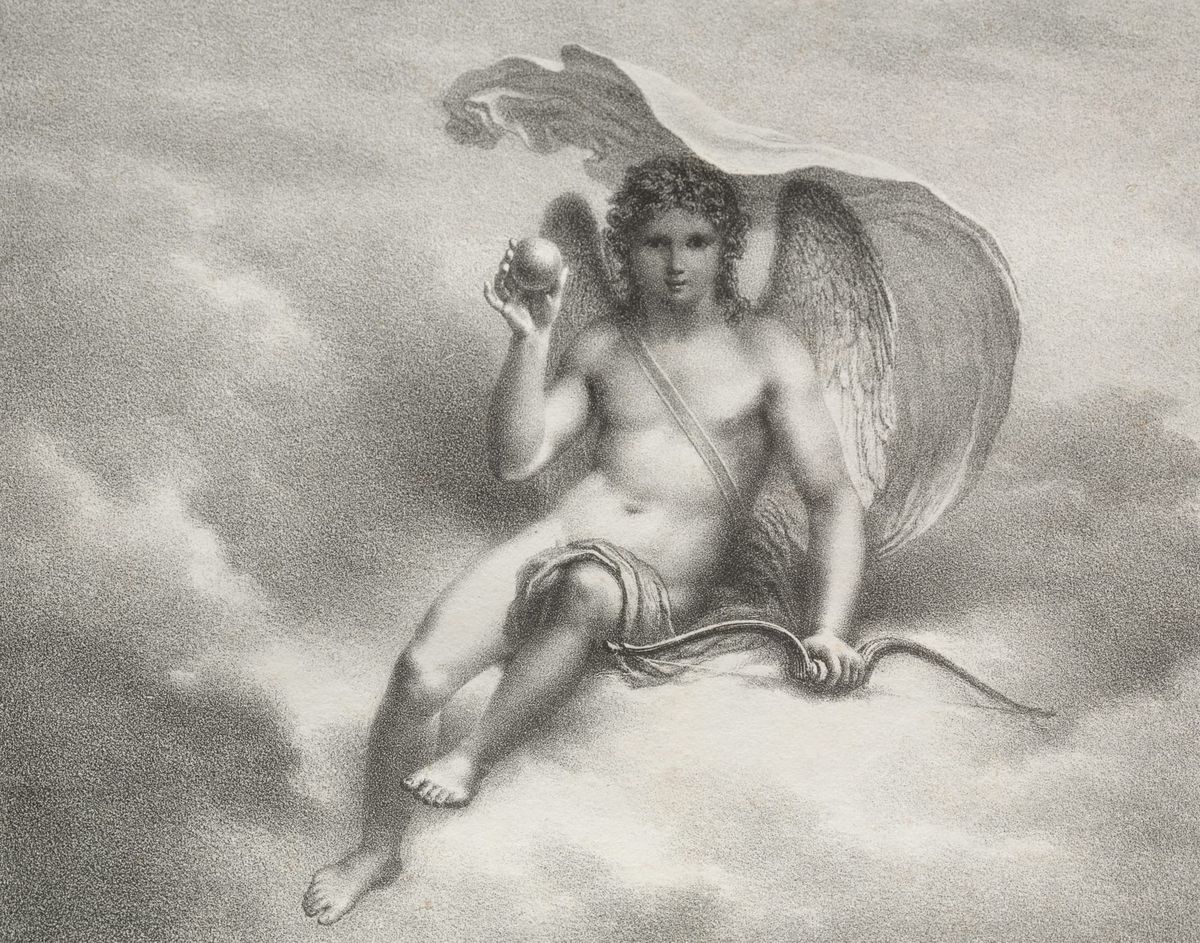
In traditional Renaissance poetry, like Shakespeare's, Cupid is usually a mischievous, bubbly boy flying around with a bow. Think of Shakespeare's famous Sonnet 18, where love is an eternal summer, described as gentle or timelessly beautiful.
Aphra Behn walks into the room and completely subverts this postcard image. In this poem, Love is not a cute cherub: he is a bloodthirsty, tyrannical dictator throwing a victory parade.
The Evidence:
- Behn opens the poem with Love sitting in "Fantastic Triumph" while "Bleeding Hearts around him flowed".
- Instead of romantic sighs, she bombards us with aggressive, military language like "armed", "victor", and "Killing Dart".
The Restoration Context
To understand why Behn is so cynical about love, we have to look at the wild world of the Restoration Era (starting in 1660). For nearly twenty years before this, England was locked down under a strict, ultra-religious Puritan government, where theatres were completely banned. But when King Charles II was restored to the throne, he immediately reopened the theatres and actively encouraged the arts.
However, because the King and his royal court lived lives full of gossip, changing relationships and political games, poetry naturally changed too. Romance wasn't a sweet, perfect courtship anymore. Instead, it was treated like a high-stakes game of strategy and power, where people used their wit to conquer each other's hearts. By portraying Love as an "armed" tyrant, Behn is reflecting the real-world disillusionment of her time.
Gearing up for your CIE IGCSE exam? Download our Free Poetic Techniques Table for 'Song: Love Armed', and keep a print of it for Revisions!
2. Breaking the Rules of Classical Tradition
To maximise your Assessment Objective (AO) marks for form and structure, let's also at how Behn mimics classical structure and then disrupts it. She uses a highly disciplined, traditional poetic structure (iambic tetrament, where lines have a steady eight-syllable da-DUM, da-DUM beat) but intentionally breaks the rhythm right away to shock the reader.
The Evidence:
- The very first line alters the rhythm with a sharp, heavy emphasis called a trochee: "Love in Fantastic..." So instead of a smooth, classical opening, it lands as an unrhythmic punch that mirrors the speaker's emotional distress.
- Another way Behn breaks classical tradition is by stripping away the politeness of old-fashioned courtship poems. By explicitly using the pronoun "he" to identify the cause of her pain, Behn grounds the poem in a raw, personal female reality.
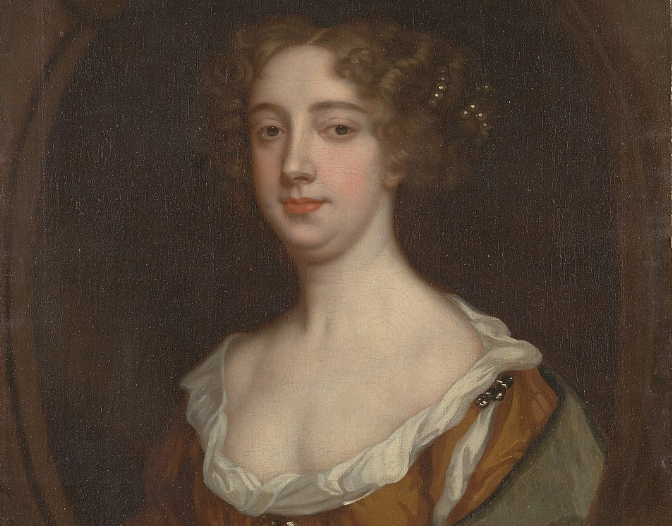
As one of England's first professional female writers, she had to write snappy, realistic pieces to survive in the competitive theater world. She used this sharp poetic style to give readers a gritty look at real heartbreak, proving that love wasn't a tidy, perfect fairy tale after all.